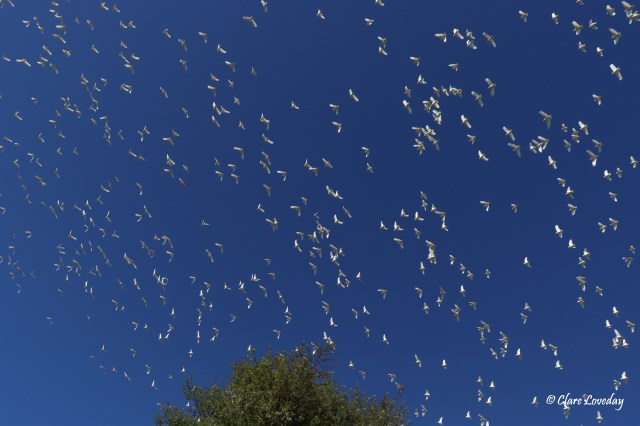
The day started early with the local corellas greeting the sunrise with a cacophony of parrot screeches….no need for an alarm clock here!
While cooking bacon and eggs Dave noticed his nuts had gone missing…Branch holding the last remaining one in the vain attempt to avert the loss of all nuts…

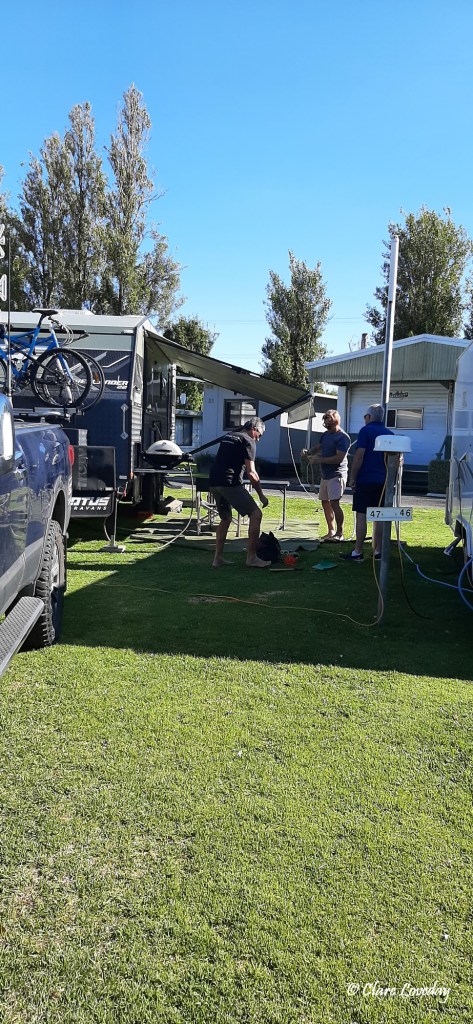
We had planned to visit the Blue Lake first this morning so, only needing 2 cars, we jumped into ours and the Weiss’s Landcruiser – a slight hiccup when Gordie decided he had to tie down his awning prior to leaving in case a wind got up – he had reminded us all earlier but had inadvertently not done his own…a 2 minute job and we were on our way.
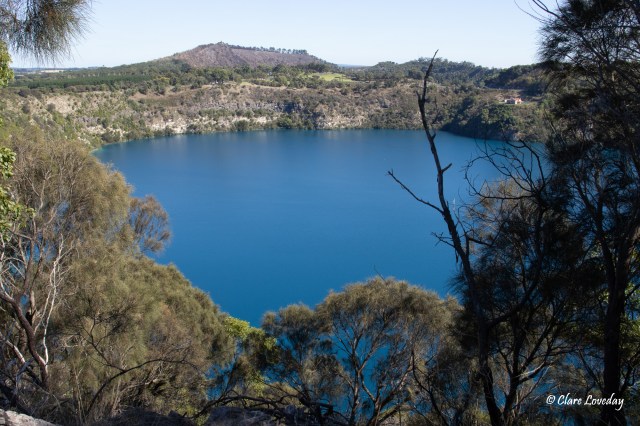
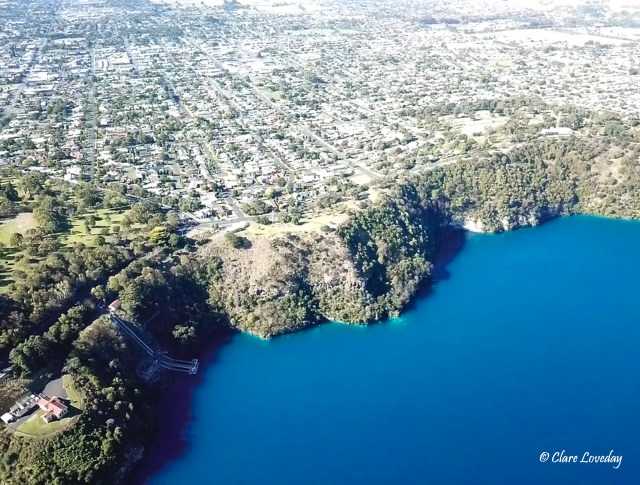
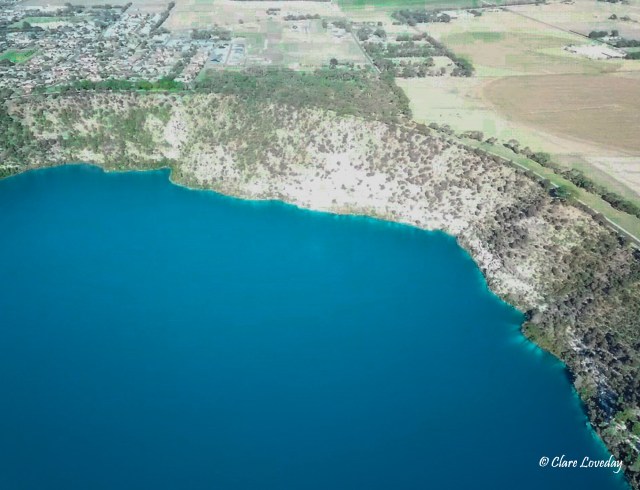
The Blue Lake was less than 5 minutes away so we drove there and parked to do the 3.6km walk around its circumference. The Blue Lake is a volcanic crater and is one of the youngest volcanoes in Australia. It is an explosive structure called a maar which consists of a rim of ejected basalt and ash resting directly on the pre-eruption landsurface. The Blue Lake is used as Mt Gambier’s water supply and the water quality is very good. It is replenished by infiltration of local rainfall and stormwater together with lateral groundwater flow, through the limestone aquifer. The lake is flat bottomed with an average depth of 70m.


During December to March, the lake turns to a vibrant cobalt blue colour, returning to a colder steel grey colour for April to November. The exact cause of this phenomenon is still a matter of conjecture, but likely it involves the warming of the surface layers of the lake during the summer to around 20 °C (68 °F), causing calcium carbonate to precipitate out of the solution and enabling microcrystallites of calcium carbonate to form. This results in scatter of the blue wavelengths of sunlight.
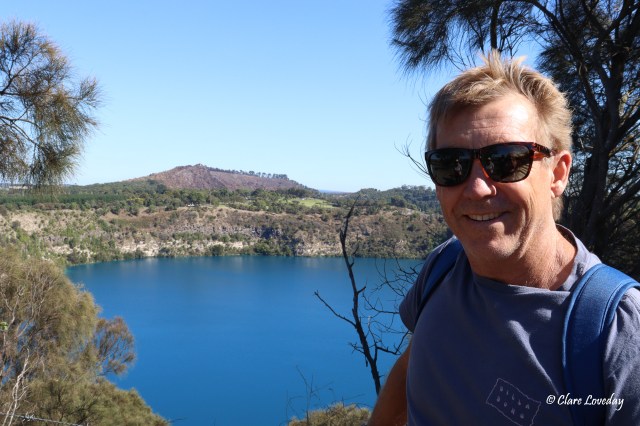
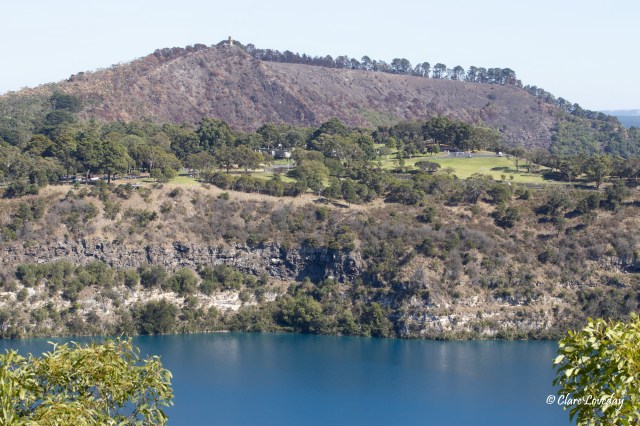
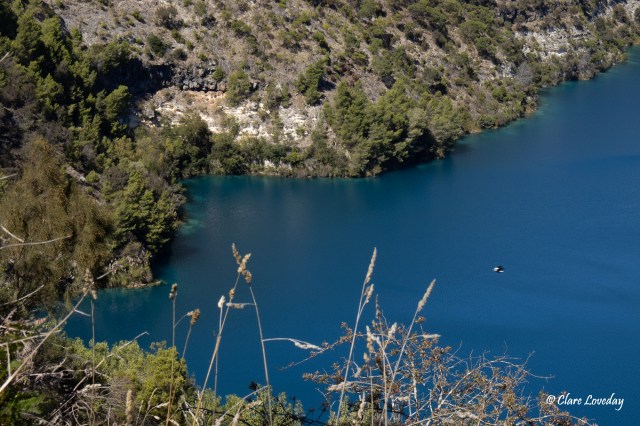


The view of the lake was spectacular and the surrounding countryside was beautiful. Mt Gambier was clearly visible in the backdrop – not as big as I imagined at all!
Our next stop was Umpherston Sinkhole which was located in the town of Mt Gambier as well. The gardens and park are a remnant of a late 19th century garden developed by James Umpherston with the sinkhole as a feature. The sinkhole was once a typical limestone cave that formed by the corrosion of limestone rocks by seawater waves and the sinkhole was naturally created when the chamber’s roof collapsed.

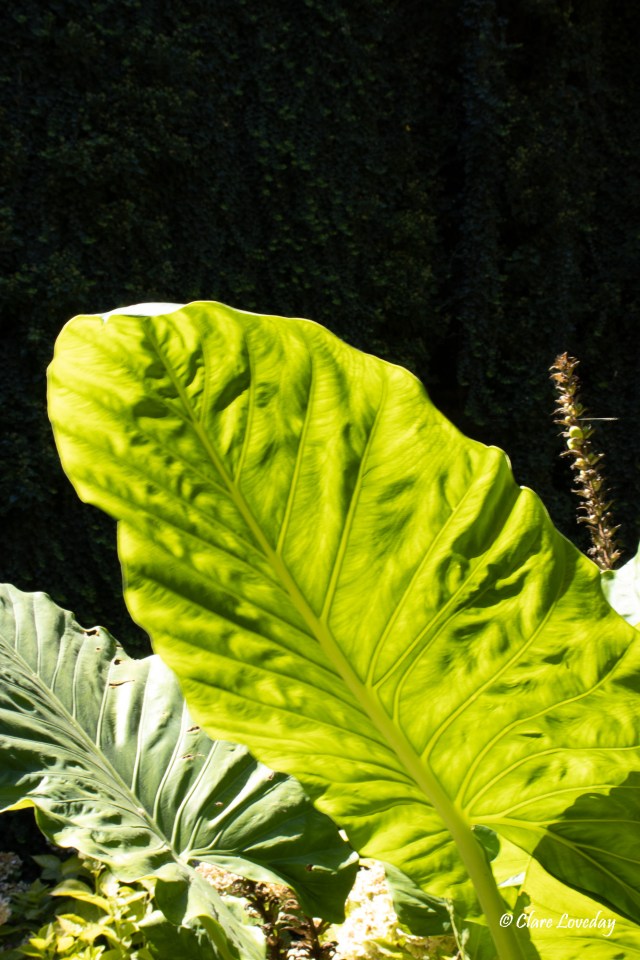
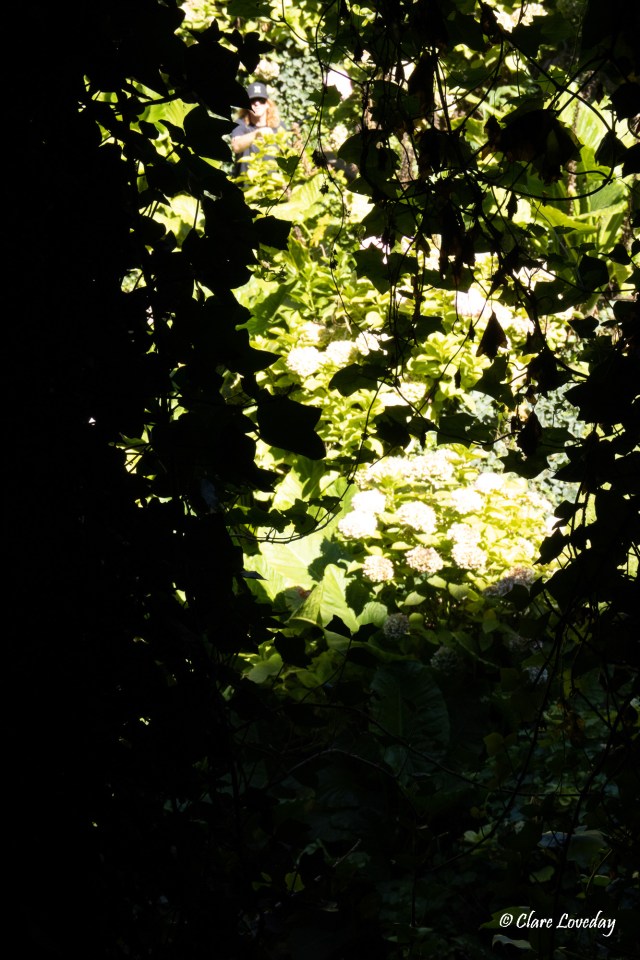
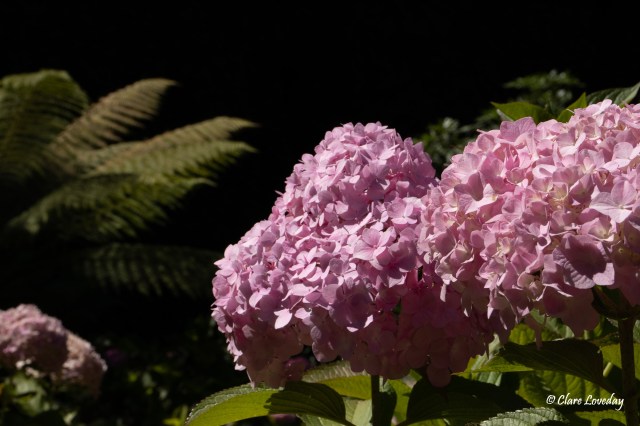

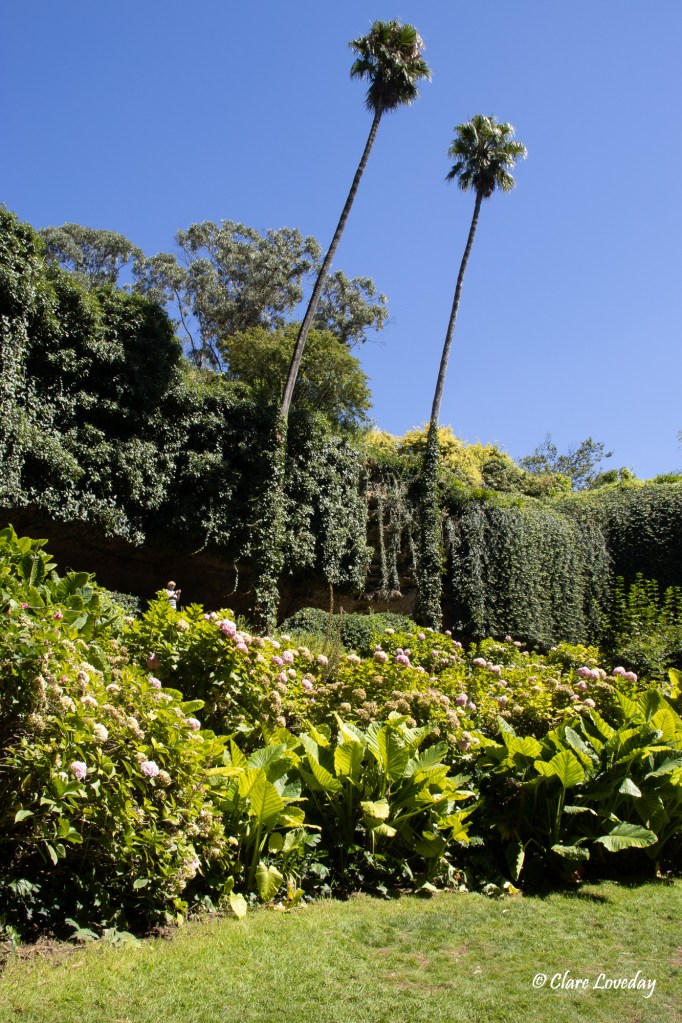
The gardens in the sinkhole had some interesting features with huge hanging curtains of ivy – and beehives formed in the holes in the limestone.


We continued on and went to the small cave garden in the centre of town which was fairly unremarkable and overgrown. Across the road was a café – Sorrentos – where we had lunch.


We had planned to go the Engelbrecht Cave that afternoon but when we arrived the last tour was already underway so we changed tack, went and did some groceries then home for happy hour….
Trev, Klaus and I went back briefly to the Blue Lake where Trev put up the drone for a few aerial shots – only a brief fly as the batteries were half empty – enough to get some shots and a nervous fly back to home!

We sat around enjoying happy hour but as soon as the sun went down it was so cold we escaped inside to the comfort of the vans.

 Loveday's Wild Adventures